
Manufacturing Industry
Home > Industries > Manufacturing
Clayton Industries Supports the Manufacturing Industry
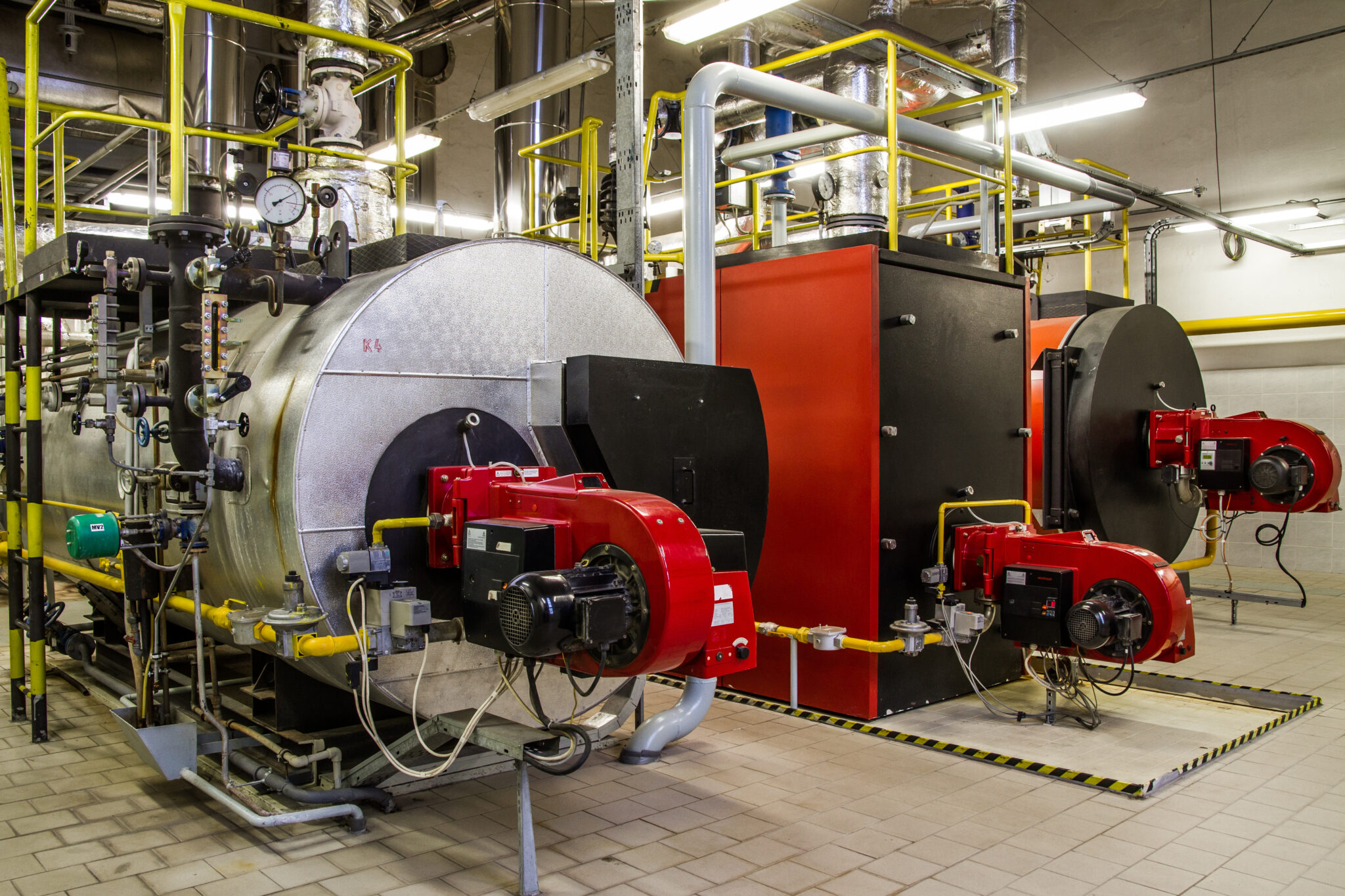
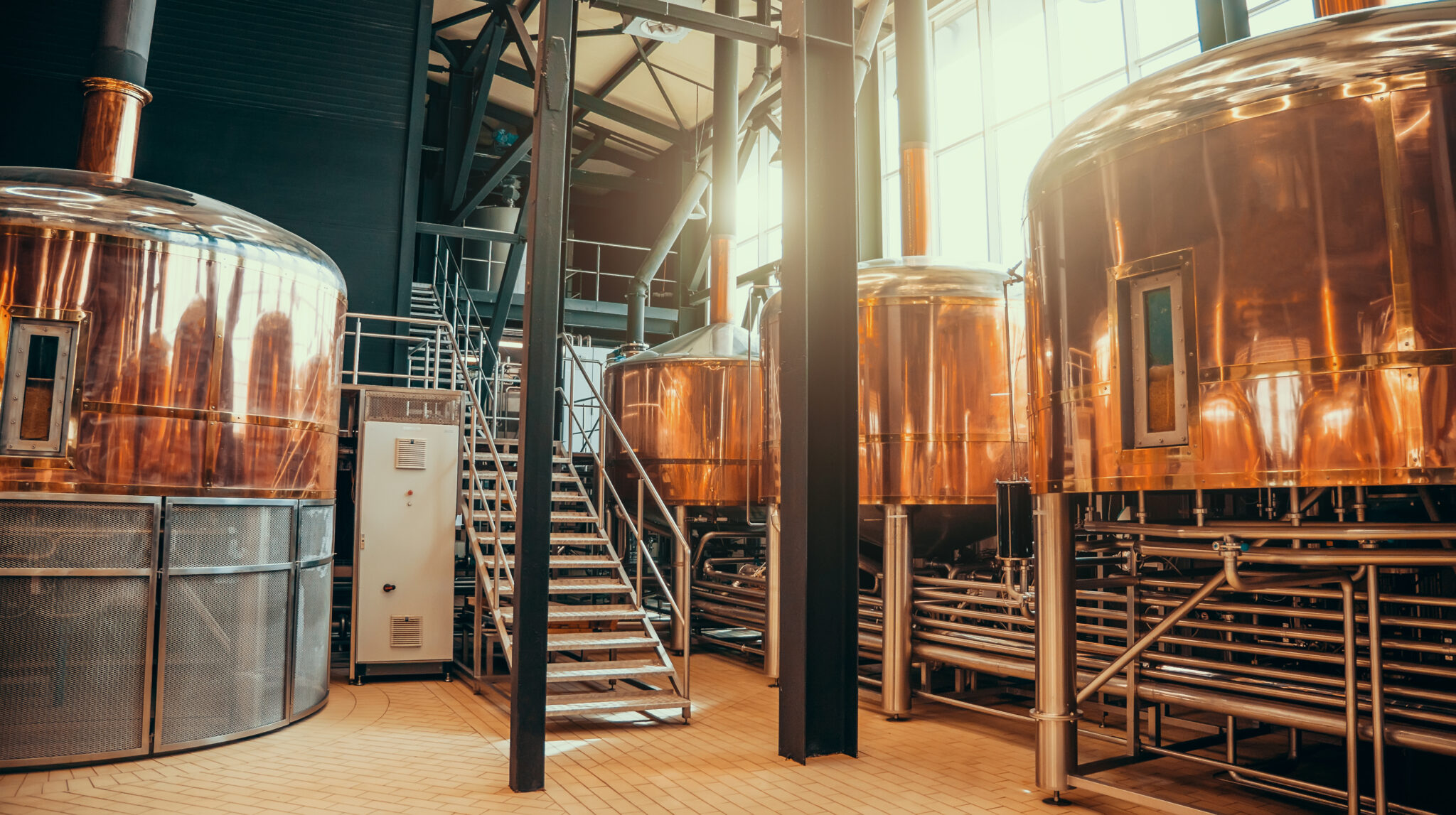
Manufacturing is arguably the single biggest industry there is, and as a result is a supplier to practically every other industry. Manufacturing is responsible for turning raw materials into finished products, supply consumer goods, industrial equipment, and everything in between, and steam has been a part of this industry dating back to the industrial revolution to due to its reliability and versatility.
The most common application for steam in the manufacturing industry is the provision of heat, for which there is no better medium than steam. Through the process of direct contact with steam, or through indirect methods like heat exchangers, any manufacturing process that needs heat to provide a finished can make use of steam in its process, along with the precision temperature control that it provides. This heat can be used to make materials more pliable, cause chemical reactions, or be a vital part of the manufacturing process in other direct ways.
As with many other industries, steam is also used for cleaning and sterilization. From keeping workspaces and tools clean, to providing sanitization to the machines on the assembly line, steam is critical to any applications with strict regulatory requirements when it comes to product cleanliness.
Steam also plays a role in moisture control and humidification. Steam can keep products and working conditions under ideal humidity to ensure quality results at every stage of the process, and also provides precision temperature control. Whether your process requires drying your product out completely, or introducing additional moisture to the process, steam remains the most reliable medium for achieving your desired results.
When it comes to the manufacturing industry, Clayton Industries is up to the task. Whatever your application, or your use of steam, Clayton’s mechanical steam separation, counterflow heat exchanger, and precise temperature control will assure you precise control over your steam supply, all without sacrificing product quality.

Key Benefits
Rapid Response
Regardless of your steam demands during peaks and valleys, Clayton Steam Generators can rise and fall respectively to meet demands, all without sacrificing steam quality.
Industry Leading Efficiency
Keep your production optimized with Clayton’s industry leading boiler efficiency, drastically cutting your fuel bill and saving your operation money.
Precision Control
Clayton’s simple controls provide unmatched control over your steam production, ensuring the perfect level of temperature and moisture in any situation.
Featured Case Study
The quality of steam was a crucial factor in their manufacturing process.
The Clayton generators produce the right kind of steam, which we believe is good for our product.”
Arriscraft stone, prized for its natural beauty, adorns some of North America’s most distinctive homes, commercial buildings, embassies, and professional sports stadiums. Due to its exceptional authenticity, the stone closely resembles quarry stone. The key to Arriscraft’s success lies in its patented Natural Process® technology, which replicates the natural formation of stone in the earth. By combining sustainable, natural raw materials and applying pressure, heat, and time, Arriscraft produces a calcium silicate masonry product virtually indistinguishable from quarry stone.


Featured Case Study
Clayton Steam Generator’s on-demand for Schooner Prints.
Schooner Prints, Inc. has been a premiere force in the wallcovering industry for over thirty years with clients in over fifty countries. When Pat and Tim Bluett started Schooner Prints back in 1990 in Largo, Florida, they knew they needed Dry Steam. After asking suppliers for advice, Clayton was recommended as the go-to for Dry Steam. They were considering steam boilers and owner Pat Bluett, said they were told, “No, you need a steam genera- tor and Clayton are the people to talk to.”
Will Brozowski, Clayton Senior Account Executive said, “Schooner needed high quality dry steam to create their premium wall coverings. The Schooner process entails running numerous custom batches during a shift.
Frequently Asked Question's
Industrial steam boilers provide heat for processing materials, supporting chemical reactions, drying products, and cleaning equipment. Steam can also supply moisture for conditioning and humidification. Its role depends on the production process and whether heat is delivered directly or through a heat exchanger.
Start with the required steam flow, operating pressure, steam quality, and production schedule. Then assess available fuel, feedwater conditions, installation space, and maintenance needs. Compare systems against actual operating demand, including startup peaks and quieter periods, rather than selecting solely by maximum capacity.
Boiler capacity should match the highest realistic simultaneous demand from production equipment, plus distribution losses and other defined requirements. Include startup loads and confirmed expansion plans without counting them twice. Minimum demand also matters because an oversized boiler may operate inefficiently when fewer production lines are running.
Clayton steam generators use a forced-flow water-tube coil design with a mechanical steam separator. In a firetube boiler, combustion gases pass through tubes surrounded by water. Compare the proposed systems’ startup performance, load response, footprint, and operating costs against your manufacturing requirements.
Excess moisture in steam can reduce useful heat delivery and make process heating less predictable. Manufacturing equipment needs suitable steam conditions at the point of use, not just at the boiler outlet. Separators, insulation, drainage, and properly maintained steam traps help preserve those conditions.
Yes, provided its capacity, controls, and operating range suit the factory’s demand pattern. Starting or stopping production lines can change steam requirements quickly. Clayton highlights responsive steam generation for manufacturing facilities with fluctuating loads, helping maintain the supply conditions needed by production equipment.
Required pressure varies by process and equipment design. Establish the pressure needed at each machine, then account for piping losses and control requirements when specifying the boiler. Different production areas may require separate pressure-control arrangements supplied from a common steam system.
Yes. Steam can heat materials directly or transfer heat through jackets, coils, and heat exchangers. In drying applications, it can provide heat to evaporate moisture without intentionally adding steam to the product. Clayton identifies both process heating and drying among its manufacturing applications.
The choice depends on demand variation, downtime tolerance, and maintenance requirements. Multiple boilers can provide flexibility as production changes and allow some equipment to remain operating during maintenance. Full backup capacity requires the remaining units to meet the specified production load when one unit is unavailable.
Repair leaks, maintain steam traps, insulate distribution piping, and improve combustion performance. Recover suitable condensate and evaluate heat recovery from exhaust gases or boiler blowdown. Reviewing the whole steam system can uncover savings that a boiler replacement alone may not address.
Contact a Clayton Representative