
Healthcare & Hospitals Industry
Home > Industries > Healthcare & Hospitals
Clayton Industries Supports the Healthcare & Hospitals Industry
The use of steam in hospitals is incredibly varied, and can be used in wide range of areas. With so many applications, you’ll want to be sure that your boiler is up to the task.
A major use within the industry is humidification, which is needed to keep static low and patient rooms comfortable. Too dry an environment can lead to moisture loss in patients, causing cracked skin and dryness in the respiratory system. Maintaining a relative humidity between 40 and 60 % prevents these ailments, as well as helping reduce the spread of biological contaminants. Steam is also used as a source of building heat in many hospitals, with steam heat providing an economical way to heat large building areas, allowing a facility to save money while ensuring patient comfort.
Hospitals will also require a steady supply of both hot water and domestic steam for everyday use. Hot water is needed for hand basins and is critical in the need for hospital laundry, cleaning of gowns, linen, scrubs, and a wide variety of other items. Hot water is often provided using a plate and frame or tube and shell heat exchanger, utilizing the steam from the boiler. This hot water and steam will also be used in a hospital’s kitchen for cooking and dishwashing.
Perhaps the most important use of steam in and hospital application is the need for sterilization. Pure steam is needed at specific temperatures and pressures for this to take place. The high temperature and penetrating power of steam at a temperature of 280 deg F kills microorganisms on surgery equipment and clothing, leaving behind no residue. This makes steam a perfect method of sterilization for medical devices, equipment and consumables for use in operating theatres and other aseptic procedures, such as catheterization, wound stitching and bandaging.
Items are usually sterilized in a steam autoclave, under strict standards with pure dry steam having little moisture, often using clean steam generators to avoid spotting and contamination.
With our full modulation and precise temperature control, Clayton Steam Generators produce pure 99% dry steam at a constant pressure, making them the perfect choice for any hospital.
Key Benefits
Clean Steam
Ignoring proper cleanliness standards is deadly in this industry, and you need a source of sanitization that can keep up. Trust Clayton Steam Generators to provide a source of steam that is completely free of contaminants and pathogens that keeps your facility and equipment completely sterile.
Precision Control
From room humidity to cleaning, Clayton ensures you get the perfect levels of moisture and temperature every time.
Compact Design
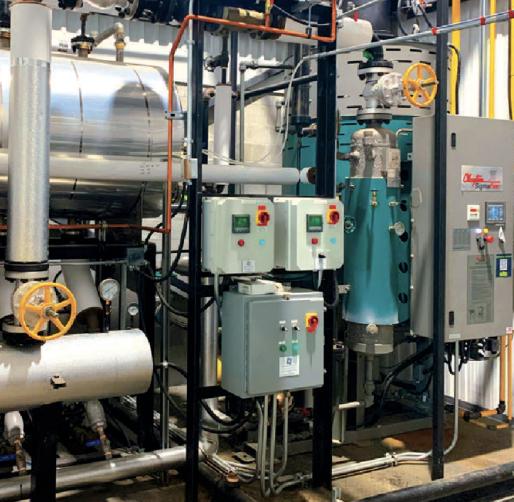
Free up space in your facility with Clayton’s coil tube design, occupying less than one third of the floor space of a traditional firetube boiler.
Featured Case Study
Healing an Ailing System
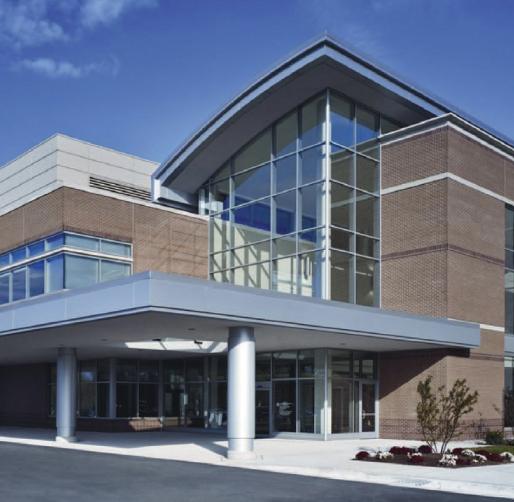
For 65 years, Mount Clemens Regional Medical Center has been a staple in Macomb County, Michigan, not only as a premier healthcare facility, but also as the area’s top employer. The Medical Center has grown from 40-bed facility, with about as many doctors on staff, to a 288-bed acute care hospital with a number of offices and medical buildings and more than 460 physicians and 2,600 employees. It is a major part of the community it serves and its teaching program also attracts hundreds of students from around the country.
But, like other hospitals throughout the United States, in order to stay solvent, Mount Clemens needed to find ways to improve performance and cut costs. So, in 2006, it looked to Siemens Building Technologies and its Integrated Performance Solutions Program to audit and find ways to contain energy costs.
Featured Case Study
How Clayton shaved 10-15 minutes off each autoclave cycle
In biomedical waste management, the efficiency of the autoclave is everything. With Clayton’s recommended solution, Daniels Health began operating 25% faster.
Dan Daniels founded the company from a garage with nothing but makeshift PVC waste tubes and quest to reduce incidents of sharps injuries from medical waste handling in healthcare. Fast forward 30 years and Daniels Health is now one of the most influential healthcare service companies, boasting the safest sharps containers and medical waste management systems in the world. “Sharps” is a medical term for devices with sharp points or edges that can puncture or cut skin, such as needles and syringes. Daniels offers a full-service schedule for sharps, RMW, pharmaceutical, chemotherapy, RCRA Hazardous, and USP 800 classified waste.
Frequently Asked Question's
Hospital steam boilers support sterilization, building heating, humidification, hot-water generation, laundry, and kitchen operations. A central steam system can serve several departments, but each application may require different pressure, purity, and control arrangements.
Steam boilers provide the steam supply used by compatible autoclaves, either directly or through a separate clean steam generation system. The autoclave controls the sterilization cycle, exposing suitable items to steam under specified conditions. Boiler output must support the sterilizer’s required supply pressure, steam quality, and peak demand.
Plant steam serves general heating and utility applications. A dedicated clean steam system uses controlled feedwater and suitable equipment to produce steam for applications with tighter purity requirements. Hospitals should assess sterilizer requirements and steam quality at the point of use rather than assume the central boiler supply is suitable for every application.
Effective steam sterilization requires direct steam contact with the items being processed. Excess moisture, unsuitable steam conditions, or trapped air can interfere with the process. The CDC identifies dry saturated steam as the ideal sterilizing medium; successful sterilization also depends on the correct cycle and monitoring.
There is no single setting suitable for every sterilizer and load. Common steam sterilization temperatures include 121°C and 132°C, but exposure time and operating conditions depend on the sterilizer, packaging, and items being processed. Follow the applicable device and sterilizer instructions; boiler supply pressure is a separate equipment specification.
Boiler sizing should account for simultaneous demand from sterilizers, heating systems, hot-water generation, laundry, and kitchens. Evaluate seasonal heating loads, short demand peaks, distribution losses, and future expansion. The design must also consider how much essential demand must remain supplied during maintenance or equipment outages.
Backup capacity helps maintain essential steam services when a boiler is unavailable for maintenance or repair. The arrangement should reflect the hospital’s critical loads and continuity requirements. Multiple installed boilers provide full backup only if the remaining available capacity can meet the specified essential demand.
Yes. Steam can heat domestic water through a suitable heat exchanger, keeping the steam and water circuits separate. Clayton identifies this arrangement as a hospital application supporting hot-water needs, including washing, laundry, and kitchen services.
Compact steam generators can be useful where installation space is limited. Clayton highlights its coil-tube design as requiring less floor space than traditional firetube boilers. Project planning must also allow for maintenance access, feedwater equipment, water treatment, ventilation, and connections to existing steam systems.
Repair steam leaks, maintain steam traps, insulate distribution piping, and keep boilers properly tuned. Recover suitable condensate to reduce replacement-water and heating requirements. Coordinate efficiency improvements with the hospital’s essential-service requirements so that energy savings do not compromise steam availability.
Contact a Clayton Representative